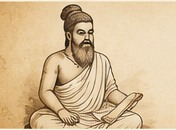
“அரங்கின்றி வட்டாடி யற்றே நிரம்பிய
நூலின்றிக் கோட்டி கொளல்.”
To speak in an assembly (of the learned) without fullness of knowledge, is like playing at chess (on a board) without squares.
கல்லாமை
“அரங்கின்றி வட்டாடி யற்றே நிரம்பிய
நூலின்றிக் கோட்டி கொளல்.”
To speak in an assembly (of the learned) without fullness of knowledge, is like playing at chess (on a board) without squares.
“கல்லாதான் சொற்கா முறுதல் முலையிரண்டும்
இல்லாதாள் பெண்காமுற் றற்று.”
The desire of the unlearned to speak (in an assembly), is like a woman without breasts desiring (the enjoyment of ) woman-hood.
“கல்லா தவரும் நனிநல்லர் கற்றார்முன்
சொல்லா திருக்கப் பெறின்.”
The unlearned also are very excellent men, if they know how to keep silence before the learned.
“கல்லாதான் ஒட்பம் கழியநன் றாயினும்
கொள்ளார் அறிவுடை யார்.”
Although the natural knowledge of an unlearned man may be very good, the wise will not accept for true knowledge.
“கல்லா ஒருவன் தகைமை தலைப்பெய்து
சொல்லாடச் சோர்வு படும்.”
The self-conceit of an unlearned man will fade away, as soon as he speaks in an assembly (of the learned).
“உளரென்னும் மாத்திரையர் அல்லால் பயவாக்
களரனையர் கல்லா தவர்.”
The unlearned are like worthless barren land: all that can be said of them is, that they exist.
“நுண்மாண் நுழைபுலம் இல்லான் எழில்நலம்
மண்மாண் புனைபாவை யற்று.”
The beauty and goodness of one who is destitute of knowledge by the study of great and exquisite works, is like (the beauty and goodness) of a painted earthen doll.
“நல்லார்கண் பட்ட வறுமையின் இன்னாதே
கல்லார்கண் பட்ட திரு.”
Wealth, gained by the unlearned, will give more sorrow than the poverty which may come upon the learned.
“மேற்பிறந்தா ராயினும் கல்லாதார் கீழ்ப்பிறந்தும்
கற்றார் அனைத்திலர் பாடு.”
The unlearned, though born in a high caste, are not equal in dignity to the learned; though they may have been born in a low caste.
“விலங்கொடு மக்கள் அனையர் இலங்குநூல்
கற்றாரோடு ஏனை யவர்.”
As beasts by the side of men, so are other men by the side of those who are learned in celebrated works.