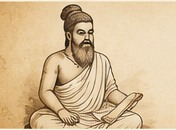
“கண்தாம் கலுழ்வ தெவன்கொலோ தண்டாநோய்
தாம்காட்ட யாம்கண் டது.”
As this incurable malady has been caused by my eyes which showed (him) to me, why should they now weep for (him).
கண்விதுப்பழிதல்
“கண்தாம் கலுழ்வ தெவன்கொலோ தண்டாநோய்
தாம்காட்ட யாம்கண் டது.”
As this incurable malady has been caused by my eyes which showed (him) to me, why should they now weep for (him).
“தெரிந்துணரா நோக்கிய உண்கண் பரிந்துணராப்
பைதல் உழப்பது எவன்.”
The dyed eyes that (then) looked without foresight, why should they now endure sorrow, without feeling sharply (their own fault).
“கதுமெனத் தாநோக்கித் தாமே கலுழும்
இதுநகத் தக்க துடைத்து.”
They themselves looked eagerly (on him) and now they weep. Is not this to be laughed at ?
“பெயலாற்றா நீருலந்த உண்கண் உயலாற்றா
உய்வில்நோய் என்கண் நிறுத்து.”
These painted eyes have caused me a lasting mortal disease; and now they can weep no more, the tears having dried up.
“படலாற்றா பைதல் உழக்கும் கடலாற்றாக்
காமநோய் செய்தஎன் கண்.”
Mine eyes have caused me a lust that is greater than the sea and (they themselves) endure the torture of sleeplessness.
“ஓஒ இனிதே எமக்கிந்நோய் செய்தகண்
தாஅம் இதற்பட் டது.”
The eyes that have given me this disease have themselves been seized with this (suffering). Oh! I am much delighted.
“உழந்துழந் துள்நீர் அறுக விழைந்திழைந்து
வேண்டி அவர்க்கண்ட கண்.”
The eyes that became tender and gazed intently on him, may they suffer so much as to dry up the fountain of their tears.
“பேணாது பெட்டார் உளர்மன்னோ மற்றவர்க்
காணாது அமைவில கண்.”
He is indeed here who loved me with his lips but not with his heart but mine eyes suffer from not seeing him.
“வாராக்கால் துஞ்சா வரின்துஞ்சா ஆயிடை
ஆரஞர் உற்றன கண்.”
When he is away they do not sleep; when he is present they do not sleep; in either case, mine eyes endure unbearable agony.
“மறைபெறல் ஊரார்க்கு அரிதன்றால் எம்போல்
அறைபறை கண்ணார் அகத்து.”
It is not difficult for the people of this place to understand the secret of those whose eyes, like mine, are as it were beaten drums.