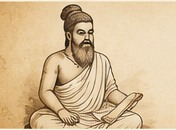
“மக்களே போல்வர் கயவர் அவரன்ன
ஒப்பாரி யாங்கண்ட தில்.”
The base resemble men perfectly (as regards form); and we have not seen such (exact) resemblance (among any other species).
கயமை
“மக்களே போல்வர் கயவர் அவரன்ன
ஒப்பாரி யாங்கண்ட தில்.”
The base resemble men perfectly (as regards form); and we have not seen such (exact) resemblance (among any other species).
“நன்றறி வாரிற் கயவர் திருவுடையர்
நெஞ்சத்து அவலம் இலர்.”
The low enjoy more felicity than those who know what is good; for the former are not troubled with anxiety (as to the good).
“தேவர் அனையர் கயவர் அவருந்தாம்
மேவன செய்தொழுக லான்.”
The base resemble the Gods; for the base act as they like.
“அகப்பட்டி ஆவாரைக் காணின் அவரின்
மிகப்பட்டுச் செம்மாக்கும் கீழ்.”
The base feels proud when he sees persons whose acts meaner than his own.
“அச்சமே கீழ்களது ஆசாரம் எச்சம்
அவாவுண்டேல் உண்டாம் சிறிது.”
(The principle of) behaviour in the mean is chiefly fear; if not, hope of gain, to some extent.
“அறைபறை அன்னர் கயவர்தாம் கேட்ட
மறைபிறர்க்கு உய்த்துரைக்க லான்.”
The base are like a drum that is beaten, for they unburden to others the secrets they have heard.
“ஈர்ங்கை விதிரார் கயவர் கொடிறுடைக்கும்
கூன்கையர் அல்லா தவர்க்கு.”
The mean will not (even) shake off (what sticks to) their hands (soon after a meal) to any but those who would break their jaws with their clenched fists.
“சொல்லப் பயன்படுவர் சான்றோர் கரும்புபோல்
கொல்லப் பயன்படும் கீழ்.”
The great bestow (their alms) as soon as they are informed; (but) the mean, like the sugar-cane, only when they are tortured to death.
“உடுப்பதூஉம் உண்பதூஉம் காணின் பிறர்மேல்
வடுக்காண வற்றாகும் கீழ்.”
The base will bring an evil (accusation) against others, as soon as he sees them (enjoying) good food and clothing.
“எற்றிற் குரியர் கயவரொன்று உற்றக்கால்
விற்றற்கு உரியர் விரைந்து.”
The base will hasten to sell themselves as soon as a calamity has befallen them. For what else are they fitted ?