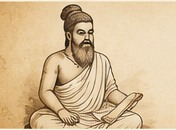
“நில்லாத வற்றை நிலையின என்றுணரும்
புல்லறி வாண்மை கடை.”
That ignorance which considers those things to be stable which are not so, is dishonourable (to the wise).
நிலையாமை
“நில்லாத வற்றை நிலையின என்றுணரும்
புல்லறி வாண்மை கடை.”
That ignorance which considers those things to be stable which are not so, is dishonourable (to the wise).
“கூத்தாட்டு அவைக்குழாத் தற்றே பெருஞ்செல்வம்
போக்கும் அதுவிளிந் தற்று.”
The acquisition of wealth is like the gathering together of an assembly for a theatre; its expenditure is like the breaking up of that assembly.
“அற்கா இயல்பிற்றுச் செல்வம் அதுபெற்றால்
அற்குப ஆங்கே செயல்.”
Wealth is perishable; let those who obtain it immediately practise those (virtues) which are imperishable.
“நாளென ஒன்றுபோற் காட்டி உயிர்ஈரும்
வாளது உணர்வார்ப் பெறின்.”
Time, which shows itself (to the ignorant) as if it were something (real) is in the estimation of the wise (only) a saw which cuts down life.
“நாச்செற்று விக்குள்மேல் வாராமுன் நல்வினை
மேற்சென்று செய்யப் படும்.”
Let virtuous deeds be done quickly, before the biccup comes making the tongue silent.
“நெருநல் உளனொருவன் இன்றில்லை என்னும்
பெருமை உடைத்துஇவ் வுலகு.”
This world possesses the greatness that one who yesterday was is not today.
“ஒருபொழுதும் வாழ்வது அறியார் கருதுப
கோடியும் அல்ல பல.”
Innumerable are the thoughts which occupy the mind of (the unwise), who know not that they shall live another moment.
“குடம்பை தனித்துஒழியப் புள்பறந் தற்றே
உடம்பொடு உயிரிடை நட்பு.”
The love of the soul to the body is like (the love of) a bird to its egg which it flies away from and leaves empty.
“உறங்கு வதுபோலுஞ் சாக்காடு உறங்கி
விழிப்பது போலும் பிறப்பு.”
Death is like sleep; birth is like awaking from it.
“புக்கில் அமைந்தின்று கொல்லோ உடம்பினுள்
துச்சில் இருந்த உயிர்க்கு.”
It seems as if the soul, which takes a temporary shelter in a body, had not attained a home.