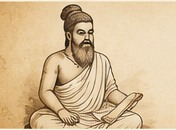
“அறவினை யாதெனின் கொல்லாமை கோறல்
பிறவினை எல்லாந் தரும்.”
Never to destroy life is the sum of all virtuous conduct. The destruction of life leads to every evil.
கொல்லாமை
“அறவினை யாதெனின் கொல்லாமை கோறல்
பிறவினை எல்லாந் தரும்.”
Never to destroy life is the sum of all virtuous conduct. The destruction of life leads to every evil.
“பகுத்துண்டு பல்லுயிர் ஓம்புதல் நூலோர்
தொகுத்தவற்றுள் எல்லாந் தலை.”
The chief of all (the virtues) which authors have summed up, is the partaking of food that has been shared with others, and the preservation of the mainfold life of other creatures.
“ஒன்றாக நல்லது கொல்லாமை மற்றதன்
பின்சாரப் பொய்யாமை நன்று.”
Not to destroy life is an incomparably (great) good next to it in goodness ranks freedom from falsehood.
“நல்லாறு எனப்படுவது யாதெனின் யாதொன்றும்
கொல்லாமை சூழும் நெறி.”
Good path is that which considers how it may avoid killing any creature.
“நிலைஅஞ்சி நீத்தாருள் எல்லாம் கொலைஅஞ்சிக்
கொல்லாமை சூழ்வான் தலை.”
Of all those who, fearing the permanence of earthly births, have abandoned desire, he is the chief who, fearing (the guilt of) murder, considers how he may avoid the destruction of life.
“கொல்லாமை மேற்கொண் டொழுகுவான் வாழ்நாள்மேல்
செல்லாது உயிருண்ணுங் கூற்று.”
Yama, the destroyer of life, will not attack the life of him, who acts under the determination of never destroying life.
“தன்னுயிர் நீப்பினும் செய்யற்க தான்பிறிது
இன்னுயிர் நீக்கும் வினை.”
Let no one do that which would destroy the life of another, although he should by so doing, lose his own life.
“நன்றாகும் ஆக்கம் பெரிதெனினும் சான்றோர்க்குக்
கொன்றாகும் ஆக்கங் கடை.”
The advantage which might flow from destroying life in sacrifice, is dishonourable to the wise (who renounced the world), even although it should be said to be productive of great good.
“கொலைவினைய ராகிய மாக்கள் புலைவினையர்
புன்மை தெரிவா ரகத்து.”
Men who destroy life are base men, in the estimation of those who know the nature of meanness.
“உயிருடம்பின் நீக்கியா ரென்ப செயிருடம்பின்
செல்லாத்தீ வாழ்க்கை யவர்”
(The wise) will say that men of diseased bodies, who live in degradation and in poverty, are those who separated the life from the body of animals (in a former birth).