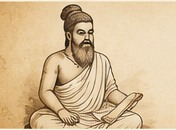
“இற்பிறந்தார் கண்அல்லது இல்லை இயல்பாகச்
செப்பமும் நாணும் ஒருங்கு.”
Consistency (of thought, word and deed) and fear (of sin) are conjointly natural only to the high-born.
குடிமை
“இற்பிறந்தார் கண்அல்லது இல்லை இயல்பாகச்
செப்பமும் நாணும் ஒருங்கு.”
Consistency (of thought, word and deed) and fear (of sin) are conjointly natural only to the high-born.
“ஒழுக்கமும் வாய்மையும் நாணும்இம் மூன்றும்
இழுக்கார் குடிப்பிறந் தார்.”
The high-born will never deviate from these three; good manners, truthfulness and modesty.
“நகைஈகை இன்சொல் இகழாமை நான்கும்
வகையென்ப வாய்மைக் குடிக்கு.”
A cheerful countenance, liberality, pleasant words, and an unreviling disposition, these four are said to be the proper qualities of the truly high-born.
“அடுக்கிய கோடி பெறினும் குடிப்பிறந்தார்
குன்றுவ செய்தல் இலர்.”
Though blessed with immense wealth, the noble will never do anything unbecoming.
“வழங்குவ துள்வீழ்ந்தக் கண்ணும் பழங்குடி
பண்பில் தலைப்பிரிதல் இன்று.”
Though their means fall off, those born in ancient families, will not lose their character (for liberality).
“சலம்பற்றிச் சால்பில செய்யார்மா சற்ற
குலம்பற்றி வாழ்தும்என் பார்.”
Those who seek to preserve the irreproachable honour of their families will not viciously do what is detrimental thereto.
“குடிப்பிறந்தார் கண்விளங்கும் குற்றம் விசும்பின்
மதிக்கண் மறுப்போல் உயர்ந்து.”
The defects of the noble will be observed as clearly as the dark spots in the moon.
“நலத்தின்கண் நாரின்மை தோன்றின் அவனைக்
குலத்தின்கண் ஐயப் படும்.”
If one of a good family betrays want of affection, his descent from it will be called in question.
“நிலத்தில் கிடந்தமை கால்காட்டும் காட்டும்
குலத்தில் பிறந்தார்வாய்ச் சொல்.”
As the sprout indicates the nature of the soil, (so) the speech of the noble indicates (that of one's birth).
“நலம்வேண்டின் நாணுடைமை வேண்டும் குலம்வேண்டின்
வேண்டுக யார்க்கும் பணிவு.”
He who desires a good name must desire modesty; and he who desires (the continuance of) a family greatness must be submissive to all.